
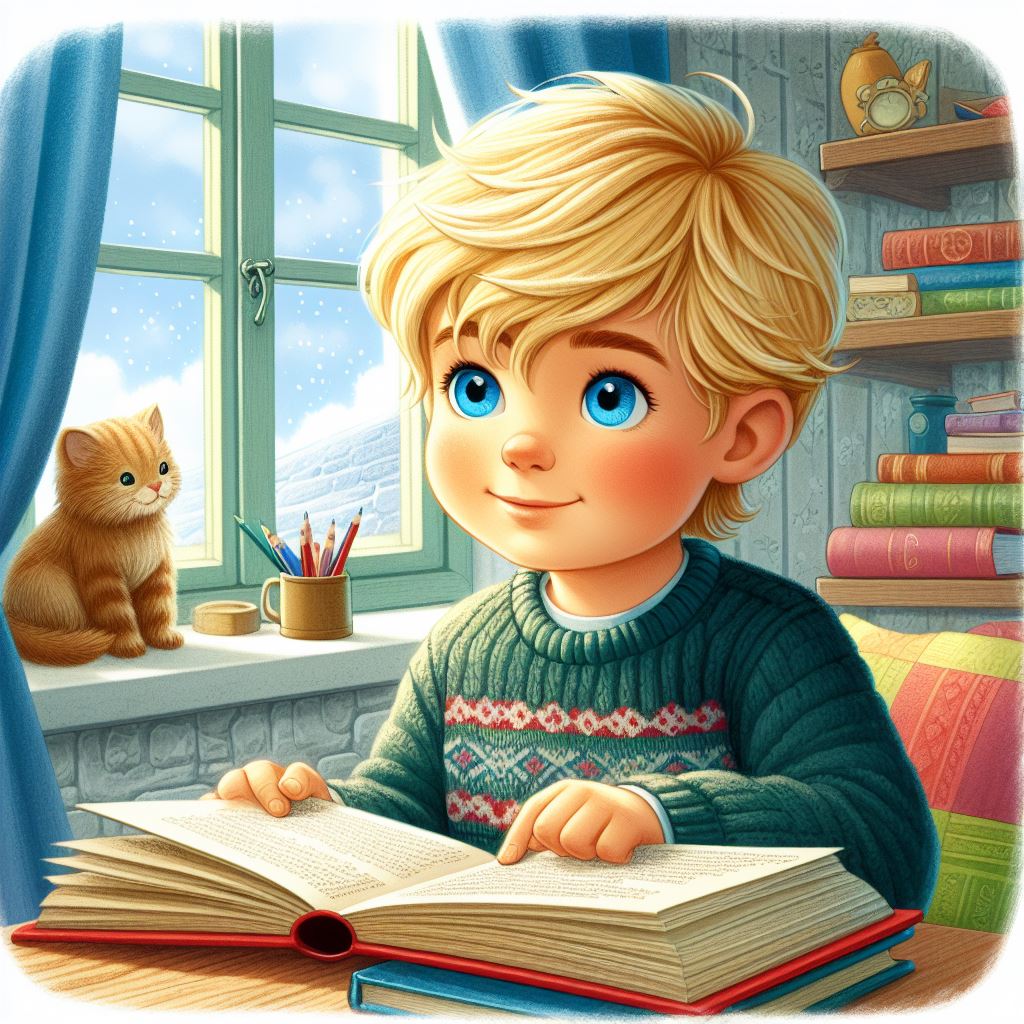
Somebody told me long ago Tell me what books you read, and I will tell you who you are. My Grandfather was even more precise: ”You are what you read.” I even applied a few times to some jobs, and a part of the recruiting process was about the books I read. But I agree this is not very common. Even if it should be.
So, I must confess that I judge people by the books they read, or quite frankly if they read at all. My belief implies that our reading habits reveal a lot about our personality, interests, values, and goals. But is it true? Can we judge someone based on their bookshelf or their Kindle library? And if so, what are the criteria that we use to make such assessments?
In this blog post, I will explore the relationship between reading and identity, and offer some tips on how to choose books that reflect and enrich who you are. I will also share some of the books that have shaped my own personal and professional development, and invite you to do the same in the comments section.
Reading and identity: a complex connection
Reading is not a passive activity. It involves an active engagement with the text, the author, and the context. When we read, we are not only absorbing information but also interpreting, evaluating, questioning, and relating it to our own experiences and perspectives. Reading is a way of learning, but also a way of expressing ourselves. Another saying asserts that ”we are the sum of all the people we have ever known and shared experiences with.” I like to put that in the context of another one that says that ”a book we read is a life lived” (check my post about that one here). So, we can combine both and we end up with the fact that we are what we read.
Therefore, it is not surprising that reading can have a significant impact on our identity. According to some psychologists, reading can help us to:
– Develop our self-concept and self-esteem by exposing us to diverse characters and situations that we can identify with or aspire to.
– Enhance our social skills and empathy by enabling us to understand different points of view and emotions.
– Expand our worldview and cultural awareness by introducing us to new ideas and values that challenge our assumptions and prejudices.
– Stimulate our creativity and imagination by inviting us to envision alternative scenarios and solutions.
– Improve our critical thinking and problem-solving skills by encouraging us to analyze arguments and evidence.
However, reading is not the only factor that influences our identity. Many other aspects of our lives shape who we are, such as our family, friends, education, work, hobbies, beliefs, etc. Reading is not a deterministic or linear process that leads to a fixed outcome. Rather, it is a dynamic and interactive process that involves constant negotiation and adaptation between the reader and the text.
Therefore, we cannot simply say that someone is a certain way because they read certain books. We have to consider the context, the purpose, and the mode of reading. For example, someone may read a book for pleasure, for work, for study, or research. Someone may read a book critically, emotionally, superficially, or selectively. Someone may read a book alone, with others, online or offline. All these factors can affect how we interpret and respond to what we read.
Can we choose books that reflect and enrich who we are?
Given the complexity of the relationship between reading and identity, how can we choose books that reflect and enrich who we are? Here are some suggestions:
– Be curious and open-minded. Don’t limit yourself to one genre, author, or topic. Explore different types of books that can expose you to new perspectives and experiences. You may discover something unexpected or surprising about yourself or the world.
– Be selective and intentional. Don’t read books just because they are popular, trendy, or recommended by others. Read books that resonate with your interests, goals, and values. Read books that challenge you to grow as a person and professionally.
– Be reflective and critical. Don’t take everything you read at face value. Think about what you agree or disagree with, what you like or dislike, and what you learn or question from each book. Write down your thoughts or share them with others. Reading is not only about consuming information but also about producing knowledge.
– Be creative and expressive. Don’t just read books, but also create them. Write your own stories, poems, essays, or blogs based on your reading experiences. Use your imagination to expand on the themes, characters, or plots of the books you read. Reading is not only about receiving inspiration but also about giving it back.
Some of the books that have shaped me
To conclude this blog post, I would like to share some books that have shaped my identity over the years. These are not necessarily my favorite books or the best books I have ever read, but they are books that have left a lasting impression on me in some way.
- The Little Prince by Antoine de Saint-Exupéry: This is one of the first books I ever read as a child, and it taught me about the importance of imagination, friendship, and love.
- Spartacus, by Raffaello Giovagnoli, I read it first time around the age of 10 and re-read it so many times that I almost destroyed the book. I loved the battle scenes and made me passionate about Roman history. I think the book had a big influence on my future academic studies in history. It also taught me about courage and resilience.
- The Arabian Nights entertained me with the magical and exotic tales of Scheherazade and her cleverness in saving her life, and it enchanted my childhood.
- The Catcher in the Rye by J.D. Salinger: This is one of the books that I read as a teenager, and it helped me to cope with the challenges of adolescence, such as alienation, rebellion, and identity crisis.
- Napoleon Bonaparte, by Gheorghe Eminescu, inspired me with the story of a brilliant and ambitious leader who rose from humble origins to conquer most of Europe. It also made Napoleon one of my favorite characters in history.
- The Karamazov Brothers, by Fyodor Dostoevsky, challenged me with the philosophical and moral dilemmas of the characters who represent different aspects of human nature.
- The Earth’s Most Beloved Son, by Marin Preda, I remember to have read this book in almost a day and a half, I just couldn’t let it from my hand. I was so absorbed in it that I still don’t remember anything from those days, except the powerful impression the story of the main character had on me.
- The Kite Runner, by Khaled Hosseini, showed me the harsh realities of life in Afghanistan and the power of friendship and redemption. And it even made me cry. Not the first one to achieve that, but it is a powerful writing.
- The Alchemist by Paulo Coelho: This is one of the books I read as a young adult, and it inspired me to pursue my dreams, follow my intuition, and trust in the universe.
- Factfulness, by Hans Rosling, enlightened me with the data and facts that show how the world is improving in many ways.
These are just some examples of the books that have shaped my identity, but there are many more that I could mention. What about you? What books have shaped your identity? Please share your thoughts in the comments section below. Don’t forget to subscribe for more of my articles.
I look forward to read your feedback!
If you enjoy my work, you can support me by buying me a coffee or one of my books. ☕📚
 Ink And Reason