
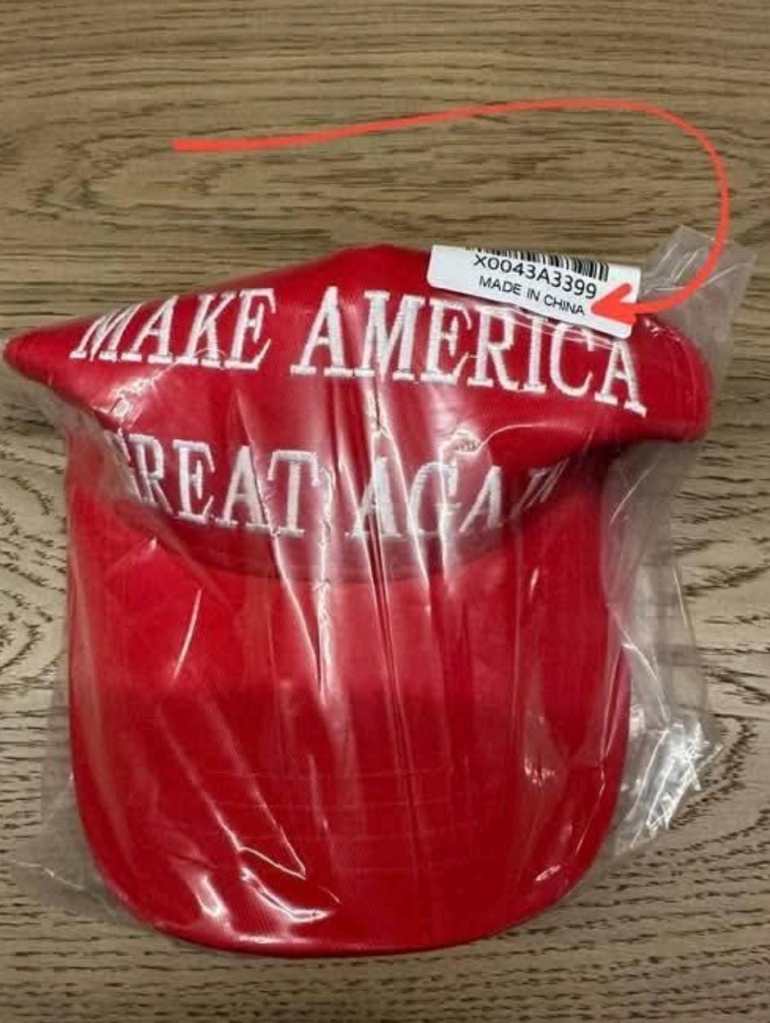
President Trump’s announcement of new tariffs set to take effect on February 1, 2025, is poised to have significant economic repercussions. These tariffs include a 25% levy on imports from Mexico and Canada and a 10% tariff on Chinese goods. Here’s an overview of the potential effects of these tariffs.
What will be the economic impact? First of all, for sure there will be increased consumer prices. The imposition of these tariffs is expected to raise prices for a wide range of consumer goods. Since Mexico and Canada account for about 30% of U.S. imports, products such as vehicles, agricultural goods, and various consumer items will likely see price hikes. For example, the auto industry, which relies heavily on parts imported from Mexico, could face increased production costs that would be passed on to consumers.
Another sector put in difficulty could be the agricultural. U.S. farmers, who have benefited from trade with Mexico and Canada, may face challenges as tariffs could disrupt supply chains and increase costs for agricultural inputs. This could lead to higher food prices for consumers and reduced competitiveness for U.S. agricultural exports.
Then, we will see inflationary pressures. The Congressional Budget Office has projected that these tariff increases could contribute to a rise in inflation by approximately 1 percentage point, costing American families an average of $1,560 annually due to higher prices across various sectors.
Trade Relations and Retaliation.
Is there a risk for trade wars?
Yes.
The announcement has raised concerns about retaliatory measures from Canada and Mexico. Both countries are preparing lists of U.S. products that could be targeted in response, which could further escalate tensions and disrupt established trade relationships.
For sure there will be an impact on supply chains. Many industries rely on integrated supply chains that span North America. Tariffs could complicate these arrangements, leading to inefficiencies and increased costs as companies adjust their sourcing strategies.
Also, the analysts predict that the tariffs could reduce U.S. economic output by around 0.3% once fully implemented. This contraction may stem from decreased consumer spending power and increased operational costs for businesses reliant on imported goods.
On a positive note, so far, despite the potential negative impacts, stock markets have remained stable, suggesting that investors are currently viewing these tariff announcements with caution rather than panic. However, the long-term effects on market dynamics remain uncertain and we still need time to have a much broader outlook on this issue.
But, did anytime in history protectionist measures worked?
Usually it didn’t, except for some isolated examples with emerging economies. It worked well for China and Taiwan in the 60s, but, once an economy expands and matures, protectionism does more harm than good. Even in the case of USA, during the 19th century, the U.S. employed high tariffs on manufactured goods to protect its emerging industries. This period saw the U.S. transform into an industrial powerhouse, particularly between 1824 and 1945, when it had some of the highest tariff rates globally. Protectionism supported “infant industries” and helped generate government revenue in the absence of income taxes. Protectionism has worked when combined with broader policies such as investment in infrastructure, education, and export promotion. However, it often fails when implemented in isolation or without strategic planning, as it can lead to inefficiencies, retaliation from trading partners, and higher consumer costs.
Are there any examples of failed protectionism? Of course, actually a lot of them.
Corn Laws in Britain (1815-1846):
• These laws imposed high tariffs on imported grain to protect domestic producers but led to food scarcity and higher prices during the Irish Famine. Their repeal marked a shift toward free trade in Britain and Europe.
U.S. Tariffs in the 20th Century:
• Examples include the Smoot-Hawley Tariff Act (1930), which exacerbated the Great Depression by reducing international trade. Similarly, steel tariffs under President Bush (2002) and tire tariffs under President Obama (2009-2012) caused more economic harm than benefits, with minimal impact on jobs or wages.
Interwar Period Protectionism:
• High tariffs during this period were intended to protect domestic industries but contributed to global economic instability and the contraction of international trade.
A very interesting example of protectionism is USSR and the way communism works. One of the most important reasons communism failed everywhere it was tested is protectionism. It helped at the beginning, when the USSR economy was still an „infant”, but caused huge economical problems afterwards. The Soviet government maintained a strict monopoly over foreign trade, which was established in the early 1920s and reinforced during Stalin’s regime. This control limited competition and restricted the flow of foreign goods into the country, aimed at protecting domestic industries from external influences. The USSR employed high tariffs and import restrictions to shield its industries from foreign competition. This was particularly evident during the Stalin era when imports were largely limited to essential industrial equipment, with the intent of fostering self-sufficiency. Also, the Soviet economic model prioritised heavy industry and military production, often at the expense of consumer goods. Protectionism was used to support this focus, leading to neglect of sectors that could have improved living standards for citizens. In the end, the rigid protectionist stance isolated the Soviet economy from global market dynamics, limiting technological advancement and adaptation to international trends. This isolation became increasingly detrimental as global trade expanded in the late 20th century. As the global economy evolved, the Soviet Union struggled to adapt due to its protectionist policies. This inability to integrate into the global market contributed to economic stagnation during the 1970s and 1980s, ultimately leading to systemic failures that precipitated its collapse in 1991. The economic inefficiencies and shortages caused by protectionism led to public discontent and eroded faith in the government. As living standards declined, calls for reform grew louder, culminating in significant political changes and the eventual dissolution of the USSR. While protectionism in the Soviet Union was intended to foster industrial growth and self-sufficiency, it ultimately resulted in economic inefficiencies, isolation from global markets, and contributed significantly to the system’s failure.
Does this ring a bell to what is happening now with USA? Does it sound similar to the economical problems of curent Russia, who struggles to survive in imposed isolation caused by its aggressive behaviour to its neighbours? We think it does.
So, what could be the effect on the American population? While Trump supporters may have initially backed his tariff policies with the expectation of job creation in certain sectors, the reality may be more complex. Tariffs can lead to job losses in industries reliant on imported goods or those that face retaliatory tariffs from other countries. For instance, jobs in manufacturing might see short-term gains, but sectors like retail could suffer as costs rise and consumer spending declines. Already, big companies announced huge layoffs, which will put a lot of pressure on the American average families. Trump’s proposed tariffs aim to protect certain domestic industries and create jobs, but instead, they are likely to have negative repercussions for a broad swath of the American public. The average consumer will face higher prices for essential goods, while many Trump supporters may experience economic discontent as job markets shift and industries reliant on imports struggle under increased costs. Overall, these measures could exacerbate existing economic vulnerabilities rather than provide the promised benefits. So, why is Trump doing it? Could he just be, well, stupid? While this avenue seems simpler to pursue, we believe he is only doing what his backers are requesting. Let’s try to follow the money.
Who will benefit most from these economic measures of Trump’s administration?
Elon Musk:
• The billionaire entrepreneur and head of Tesla and SpaceX has become a prominent supporter, investing heavily in Trump’s campaign. Musk’s interests in reducing federal spending and promoting American manufacturing align with Trump’s protectionist tariffs aimed at boosting domestic industries.
Linda McMahon:
• A long-time friend of Trump and former head of the Small Business Administration, McMahon has been a significant donor and supporter. Her focus on small business growth resonates with Trump’s agenda to protect American jobs through tariffs, which are intended to favor domestic producers over foreign competition.
Dana White:
• The president of the Ultimate Fighting Championship (UFC) has been a vocal supporter of Trump. White’s influence in sports entertainment may help Trump appeal to younger demographics who could be affected by economic policies that prioritise American industry.
Susie Wiles:
• As a co-campaign manager, Wiles has played a crucial role in shaping Trump’s strategy. Her experience in Republican campaigns positions her to influence economic policies that may favor protectionist measures aimed at revitalizing American manufacturing.
Industrial and corporate backers put a lot of effort and money into securing Trump’s re-election. And now he must do something to pay them dividends. Some of those that will mostly benefit, at least at the beginning, will be:
Oil and Gas Industry: The oil and gas sector was a significant financial backer of Trump’s campaign, contributing over $14 million directly and spending $445 million on lobbying and election-related activities. Trump’s policies, such as rolling back environmental regulations, approving drilling permits, and declaring a “national energy emergency,” directly favor this industry. Protectionist measures like tariffs on foreign energy imports could further boost domestic oil and gas producers by reducing competition.
Manufacturing and Distribution: Miscellaneous manufacturing and distribution industries donated over $13.6 million to Trump’s campaign. Protectionist tariffs aim to shield domestic manufacturers from cheaper foreign imports, potentially boosting their market share and profitability.
Real Estate and Construction companies contributed over $14.7 million, while the construction sector added another $10 million to Trump’s campaign. Tariffs on imported construction materials like steel and lumber could increase costs in the short term, but may incentivise domestic production, benefiting U.S.-based suppliers.
Tobacco Industry: Tobacco companies were among Trump’s largest corporate donors, with significant contributions from firms like Altria. Protectionist policies that limit competition from foreign tobacco products could help U.S.-based tobacco companies maintain market dominance.
SpaceX (Elon Musk). Again. This „innovator” and recently nazy saluting supporter of Trump, has extensive federal contracts through SpaceX and other ventures. While not directly tied to tariffs, Musk’s alignment with Trump’s administration could result in favorable regulatory policies that indirectly benefit his businesses.
In conclusion, there is a clear correlation between Trump’s industrial supporters and the potential beneficiaries of his protectionist measures. These policies align with the interests of key donors in oil, gas, manufacturing, agribusiness, and other sectors that thrive under reduced foreign competition.
Also, very concerning, these alignments between Trump and rich corporate America raises significant questions about economic inequality and the potential widening gap between average Americans and the wealthiest individuals. Some analysts suggest these are a huge win of the new technocratic oligarchy that surrounds Trump. Critics argue that Trump’s policies could exacerbate income inequality by favoring corporate interests over working-class Americans. With tax cuts primarily benefiting the wealthy and corporations, the average American may struggle to see similar gains in income or job security.
The Brookings Institution highlights that tax cuts not offset by spending cuts can lead to increased federal borrowing, which may ultimately harm long-term economic growth, disproportionately affecting lower-income households. Protectionist measures like tariffs can lead to higher prices for goods, directly impacting consumers’ purchasing power. While these policies aim to protect domestic industries, they often come at the cost of increased expenses for average families. Corporations will benefit from deregulation and protectionist measures, at least on the short term, but the average citizens might face higher costs of living and stagnant wages, leading to a scenario where corporate gains come at the expense of public welfare. This dynamic raises critical questions about equity and representation in economic policymaking under Trump’s administration.

